
Advantages of Using Electric Forklifts in Warehouses
- Michael Gray

- Sep 15, 2025
- 3 min read
Warehouses are the backbone of many industries, and efficient material handling is crucial for smooth operations. One of the most significant advancements in warehouse equipment is the adoption of electric forklifts. These machines offer numerous benefits over traditional internal combustion forklifts, making them an excellent choice for modern warehouses. This article explores the advantages of using electric forklifts in warehouses, providing practical insights and examples to help you understand why they are becoming the preferred option.
Enhanced Efficiency with Electric Forklifts
Electric forklifts are designed to improve operational efficiency in warehouses. Unlike gas or diesel-powered forklifts, electric models provide instant torque, which means faster acceleration and smoother handling. This can significantly reduce the time it takes to move goods around the warehouse.
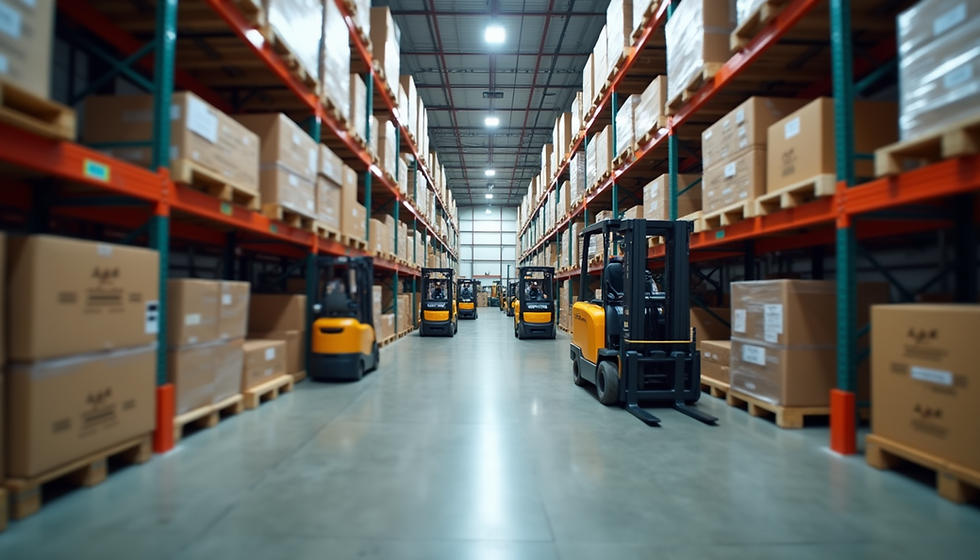
For example, in a busy distribution center, electric forklifts can quickly navigate tight aisles and lift heavy pallets with precision. Their quiet operation also allows for better communication among workers, reducing errors and increasing productivity.
Additionally, electric forklifts require less maintenance because they have fewer moving parts. This means less downtime and more consistent performance, which is essential for meeting tight delivery schedules.

Environmental and Cost Benefits of Electric Forklifts
One of the most compelling reasons to switch to electric forklifts is their positive environmental impact. These machines produce zero emissions, making them ideal for indoor use where air quality is a concern. This is especially important in warehouses located in urban areas or regions with strict environmental regulations.
From a cost perspective, electric forklifts offer significant savings over time. Although the initial purchase price may be higher than traditional forklifts, the lower operating costs quickly offset this. Electric forklifts use electricity, which is generally cheaper than fuel, and their maintenance costs are lower due to fewer mechanical components.
Warehouses that adopt electric forklifts can also benefit from government incentives and rebates aimed at promoting green technology. These financial benefits can further reduce the total cost of ownership.

Are electric forklifts worth it?
Many warehouse managers ask whether investing in electric forklifts is truly worthwhile. The answer depends on several factors, including the size of the warehouse, the type of goods handled, and operational priorities.
Electric forklifts excel in environments where indoor air quality and noise reduction are critical. For example, food storage facilities and pharmaceutical warehouses benefit greatly from the clean and quiet operation of electric forklifts.
Moreover, electric forklifts are ideal for businesses looking to reduce their carbon footprint and comply with environmental standards. The long-term savings on fuel and maintenance also make them a financially sound investment.
However, it is important to consider the charging infrastructure and battery life. Proper planning and management of charging schedules are necessary to avoid downtime. Many warehouses find that the benefits outweigh these challenges, especially with advances in battery technology and fast-charging options.

Safety Advantages of Electric Forklifts
Safety is a top priority in any warehouse, and electric forklifts contribute significantly to a safer working environment. Their quieter operation reduces noise pollution, which helps workers stay alert and communicate more effectively.
Electric forklifts also produce no harmful exhaust fumes, eliminating the risk of respiratory issues for employees working indoors. This is particularly important in enclosed spaces where ventilation may be limited.
Additionally, many electric forklifts come equipped with advanced safety features such as automatic speed control, stability systems, and ergonomic designs that reduce operator fatigue. These features help prevent accidents and improve overall workplace safety.
Flexibility and Versatility in Warehouse Operations
Electric forklifts offer great flexibility for various warehouse tasks. They are available in different sizes and configurations, including pallet jacks, reach trucks, and order pickers, allowing businesses to choose the right model for their specific needs.
Their compact design makes them perfect for narrow aisles and tight spaces, which are common in modern warehouses aiming to maximize storage capacity. Electric forklifts can also be used both indoors and outdoors, provided the terrain is suitable.
Furthermore, the ease of operation and low noise levels make electric forklifts suitable for 24/7 operations, including night shifts, without disturbing nearby communities or other departments.
Making the Switch to Electric Forklifts
Transitioning to electric forklifts requires careful planning. Start by assessing your warehouse’s operational needs and identifying areas where electric forklifts can provide the most benefit. Consider factors such as charging infrastructure, battery management, and staff training.
Partnering with a reputable supplier can help ensure you select the right models and receive ongoing support. For those interested in exploring options, electric forklift suppliers offer a range of products tailored to different warehouse environments.
By investing in electric forklifts, warehouses can improve efficiency, reduce costs, enhance safety, and contribute to a greener future.
Switching to electric forklifts is a strategic move that aligns with modern warehouse demands. Their efficiency, environmental benefits, and safety features make them a valuable asset for any warehouse operation aiming to stay competitive and sustainable.


Comments