
Electric Forklifts for Heavy Load Operations

When expanding your warehouse or building a new facility, choosing the right equipment is crucial. Heavy load operations demand reliable, efficient, and safe machinery to keep your workflow smooth. One of the best options available today is electric forklifts. These machines offer numerous benefits that can transform your material handling processes.
Electric Forklifts for Heavy Loads: Why They Matter
Electric forklifts are designed to handle heavy loads with precision and power. Unlike traditional internal combustion forklifts, electric models run on batteries, making them quieter and more environmentally friendly. This is especially important in indoor warehouse settings where air quality and noise levels are a concern.
Some key advantages of electric forklifts for heavy loads include:
Lower operating costs: Electricity is cheaper than fuel, and electric forklifts require less maintenance.
Improved safety: Electric forklifts produce no emissions, reducing health risks for workers.
Enhanced maneuverability: Their compact design allows for easier navigation in tight spaces.
Consistent power delivery: Electric motors provide smooth and reliable lifting power.
For example, a warehouse handling pallets weighing up to 10,000 pounds can benefit from electric forklifts with high-capacity batteries and robust lifting mechanisms. These forklifts can operate for several hours on a single charge, ensuring minimal downtime.
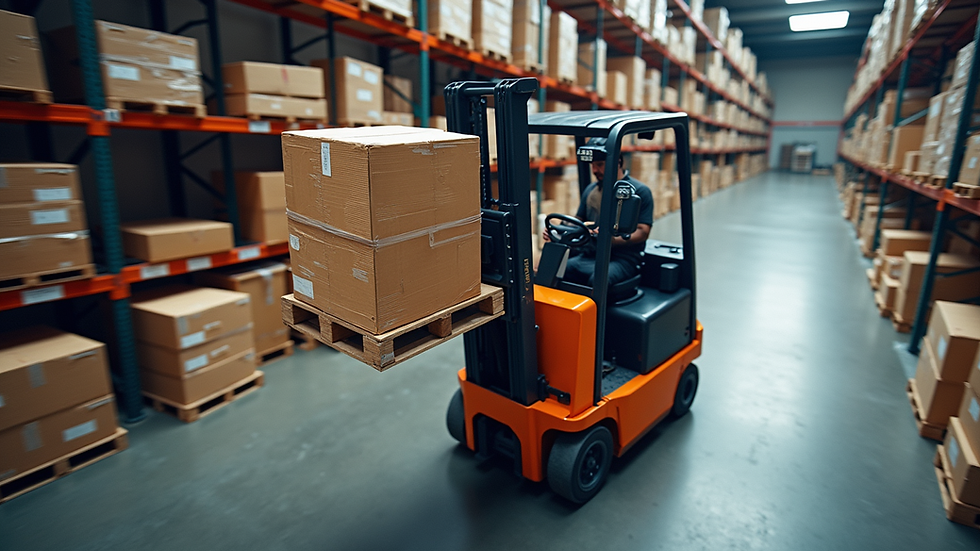
Choosing the Right Electric Forklift for Heavy Load Operations
Selecting the right electric forklift depends on several factors related to your specific operation:
Load Capacity: Determine the maximum weight your forklift needs to lift. Heavy load operations often require forklifts with capacities ranging from 5,000 to 15,000 pounds or more.
Battery Life and Charging: Consider how long the forklift can operate on a single charge and the charging time. Fast-charging options can reduce downtime.
Lift Height: Ensure the forklift can reach the necessary heights for stacking or shelving.
Operating Environment: Indoor warehouses benefit from electric forklifts due to zero emissions, while outdoor use may require weather-resistant models.
Ergonomics and Controls: Operator comfort and ease of use can improve productivity and reduce fatigue.
For instance, if your warehouse has narrow aisles, a forklift with a smaller turning radius and compact design will be ideal. Additionally, models with adjustable forks and advanced safety features like automatic braking can enhance operational efficiency.
What is the disadvantage of an electric forklift?
While electric forklifts offer many benefits, they also have some limitations to consider:
Battery Charging Time: Unlike refueling a gas forklift, charging an electric forklift battery can take several hours. This may require additional batteries or charging stations to maintain continuous operation.
Initial Cost: Electric forklifts often have a higher upfront cost compared to internal combustion models. However, this is usually offset by lower operating expenses over time.
Weight: Batteries add significant weight to the forklift, which can affect floor load limits in some facilities.
Limited Outdoor Use: Electric forklifts may not perform as well in harsh outdoor conditions, such as wet or uneven terrain.
Understanding these disadvantages helps in planning your operations better. For example, scheduling charging during breaks or shift changes can minimize downtime. Also, investing in high-quality batteries and chargers can improve efficiency.
Maintenance Tips for Electric Forklifts in Heavy Load Operations
Proper maintenance is essential to keep your electric forklifts running smoothly and safely. Here are some practical tips:
Regular Battery Checks: Monitor battery water levels and charge cycles to extend battery life.
Inspect Tires and Brakes: Heavy loads put extra strain on tires and brakes, so frequent inspections are necessary.
Clean Forklift Components: Dust and debris can affect electrical components, so keep the forklift clean.
Schedule Professional Servicing: Periodic professional maintenance ensures all systems function correctly.
Train Operators: Well-trained operators can prevent misuse and reduce wear and tear.
For example, a warehouse that implements a daily checklist for forklift operators can catch minor issues before they become costly repairs. This proactive approach saves time and money in the long run.

Maximizing Efficiency with Electric Forklifts
To get the most out of your electric forklifts in heavy load operations, consider these strategies:
Optimize Charging Schedules: Use off-peak electricity hours to charge forklifts and reduce energy costs.
Use Fleet Management Software: Track forklift usage, battery health, and maintenance needs in real time.
Implement Safety Protocols: Ensure operators follow safety guidelines to prevent accidents and equipment damage.
Invest in Operator Training: Skilled operators can handle heavy loads more efficiently and safely.
Plan Layout for Easy Access: Design warehouse aisles and storage areas to accommodate forklift movement and reduce travel time.
By integrating these practices, your warehouse can improve productivity and reduce operational costs. For example, a well-planned charging schedule combined with operator training can increase forklift uptime by up to 20%.
Choosing the right equipment is a critical step in expanding or building your warehouse. With the right knowledge and planning, electric forklifts can become a valuable asset in your heavy load operations. Whether you are upgrading your fleet or starting fresh, we are here to help you every step of the way.
For more information on electric forklifts, visit electric forklifts.


Comments