
Embracing Sustainability with Eco-Friendly Electric Forklifts

When expanding your warehouse or building a new facility, sustainability should be a key consideration. Choosing the right equipment can significantly impact your environmental footprint and operational efficiency. One of the best ways to achieve this is by integrating eco-friendly electric forklifts into your material handling operations. These machines offer a cleaner, quieter, and more efficient alternative to traditional fuel-powered forklifts, helping your business move towards a greener future.
The Rise of Eco-Friendly Electric Forklifts in Warehousing
Electric forklifts have become increasingly popular in warehouses and distribution centers worldwide. Their eco-friendly nature stems from zero emissions during operation, which drastically reduces air pollution inside and outside your facility. This is especially important in enclosed spaces where air quality directly affects worker health and safety.
Additionally, electric forklifts are quieter than their internal combustion counterparts, reducing noise pollution and creating a more comfortable work environment. This can lead to improved employee satisfaction and productivity.
Key benefits of eco-friendly electric forklifts include:
Lower operating costs: Electricity is generally cheaper than diesel or propane fuel.
Reduced maintenance: Fewer moving parts mean less wear and tear.
Improved indoor air quality: No exhaust fumes improve worker safety.
Energy efficiency: Advanced battery technology allows longer run times and faster charging.
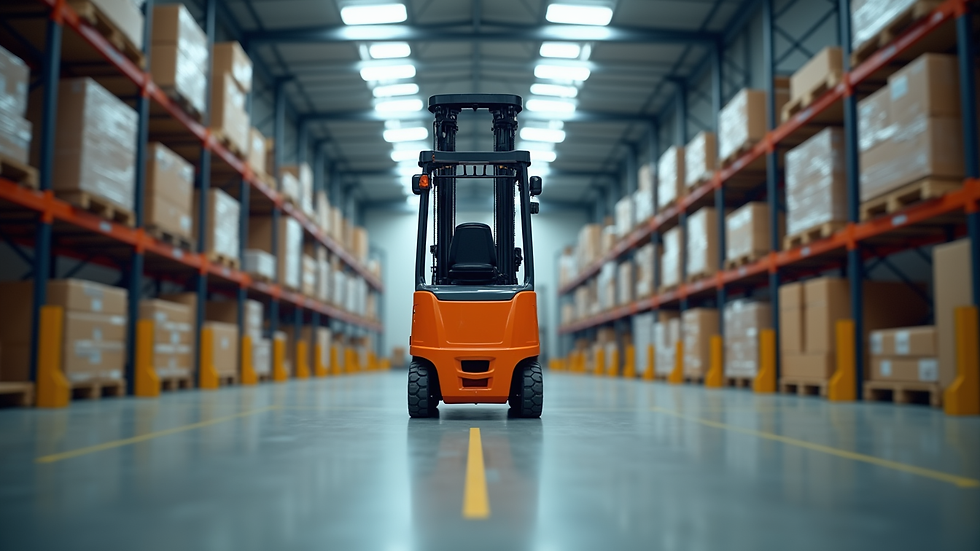
How Eco-Friendly Electric Forklifts Support Sustainability Goals
Sustainability is more than just reducing emissions; it’s about creating a holistic approach to resource management. Electric forklifts contribute to this by aligning with several key sustainability goals:
1. Reducing Carbon Footprint
Electric forklifts produce zero tailpipe emissions, which means no carbon dioxide or other harmful gases are released during operation. When charged with renewable energy sources like solar or wind, their carbon footprint can be nearly eliminated.
2. Energy Efficiency and Cost Savings
Electric motors convert energy more efficiently than combustion engines. This means less energy is wasted, and more power is used for actual work. Over time, this efficiency translates into significant cost savings on fuel and maintenance.
3. Waste Reduction
Electric forklifts often use lithium-ion batteries, which have longer lifespans and can be recycled at the end of their use. This reduces hazardous waste compared to traditional lead-acid batteries.
4. Compliance with Environmental Regulations
Many regions are tightening regulations on emissions and workplace safety. Using electric forklifts helps businesses stay compliant and avoid penalties.
5. Enhancing Corporate Social Responsibility (CSR)
Adopting sustainable equipment like electric forklifts demonstrates a commitment to environmental stewardship, which can improve brand reputation and attract eco-conscious clients and partners.

What is the disadvantage of an electric forklift?
While electric forklifts offer many advantages, it’s important to consider some potential drawbacks to make an informed decision.
1. Initial Investment Cost
Electric forklifts typically have a higher upfront cost compared to internal combustion models. However, this is often offset by lower operating and maintenance expenses over time.
2. Battery Charging and Downtime
Charging electric forklift batteries can take several hours, which may require additional units or charging stations to maintain productivity. Planning for battery swaps or fast-charging solutions can mitigate this issue.
3. Limited Outdoor Use
Electric forklifts are best suited for indoor or flat surface operations. Rough terrain or extreme weather conditions can affect battery performance and durability.
4. Weight and Load Capacity
Electric forklifts can be heavier due to battery weight, which might impact load capacity or maneuverability in tight spaces.
Despite these challenges, many businesses find that the long-term benefits of electric forklifts outweigh the disadvantages, especially when sustainability is a priority.
Practical Tips for Integrating Electric Forklifts into Your Warehouse
Whether you are expanding your warehouse or building a new one, here are some actionable recommendations to help you successfully adopt electric forklifts:
1. Assess Your Operational Needs
Evaluate the types of loads, frequency of use, and operating environment.
Determine if electric forklifts meet your performance requirements.
2. Plan for Charging Infrastructure
Install sufficient charging stations in convenient locations.
Consider fast chargers or battery swapping systems to minimize downtime.
3. Train Your Staff
Provide training on battery handling, charging procedures, and safety protocols.
Encourage best practices to maximize battery life and forklift efficiency.
4. Monitor and Maintain Equipment
Implement regular maintenance schedules to keep forklifts in optimal condition.
Use telematics or fleet management software to track usage and performance.
5. Explore Incentives and Rebates
Check for government programs or utility rebates that support electric vehicle adoption.
These can help offset initial costs and improve ROI.
By following these steps, you can ensure a smooth transition to eco-friendly electric forklifts that support your sustainability goals and operational needs.
Moving Forward with Sustainable Material Handling
Sustainability is no longer optional; it’s a business imperative. Incorporating eco-friendly electric forklifts into your warehouse operations is a practical and impactful way to reduce your environmental footprint while improving efficiency and safety.
Whether you are expanding your warehouse or building new, we are here to help you every step of the way. From selecting the right equipment to planning infrastructure and training your team, embracing electric forklifts is a smart investment in your company’s future.
Explore how an electric forklift can transform your operations and contribute to a greener, more sustainable tomorrow.


Comments