
Essential Uses and Benefits of Forklifts

When expanding your warehouse or building a new facility, having the right equipment is crucial. One of the most indispensable tools in material handling and logistics is the forklift. This powerful machine helps move heavy loads efficiently and safely, making it a cornerstone of modern warehousing and construction operations. Whether you are setting up a new warehouse or upgrading your current setup, understanding the essential uses and benefits of forklifts will help you make informed decisions every step of the way.
Key Uses of Forklifts in Warehousing and Construction
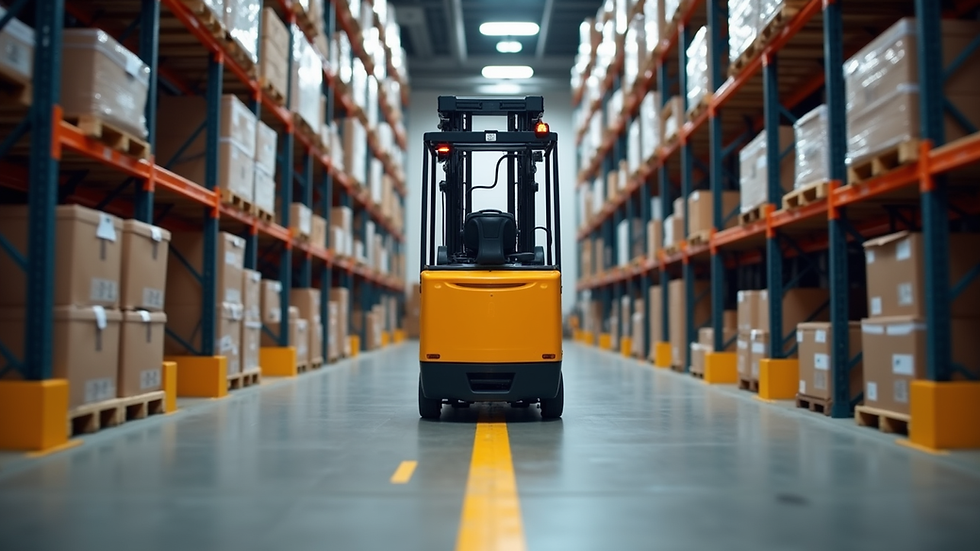
Forklifts are versatile machines designed to lift, carry, and transport heavy materials over short distances. Their primary use is in warehouses, distribution centers, and construction sites, where they streamline operations and improve productivity. Here are some of the most common uses:
Loading and Unloading: Forklifts are essential for quickly loading and unloading goods from trucks and shipping containers. This reduces manual labor and speeds up the supply chain.
Stacking and Organizing: In warehouses, forklifts help stack pallets and materials on high shelves, maximizing vertical storage space.
Transporting Heavy Loads: Moving bulky or heavy items across a facility is much easier and safer with a forklift.
Construction Site Support: Forklifts assist in moving construction materials like bricks, steel beams, and concrete blocks around the site.
Inventory Management: Forklifts enable efficient handling of inventory, making it easier to track and manage stock levels.
Using forklifts in these ways not only increases efficiency but also reduces the risk of injury from manual lifting.

Benefits of Using Forklifts in Your Operations
Investing in forklifts offers numerous benefits that can transform your warehouse or construction site operations. Here are some of the key advantages:
Increased Productivity: Forklifts can move heavy loads quickly, reducing the time needed for material handling tasks.
Improved Safety: By mechanizing the lifting and moving of heavy items, forklifts reduce the risk of workplace injuries.
Cost Efficiency: Although forklifts require an initial investment, they save money in the long run by reducing labor costs and minimizing damage to goods.
Versatility: Forklifts come with various attachments and configurations, allowing them to handle different types of loads and terrains.
Space Optimization: With the ability to stack goods vertically, forklifts help maximize warehouse space, which is especially valuable in urban or limited-space environments.
By leveraging these benefits, businesses can enhance their operational efficiency and create a safer working environment.
What are the three types of forklifts?
Understanding the different types of forklifts is essential to choosing the right one for your needs. The three main types are:
Electric Forklifts: Powered by batteries, these forklifts are ideal for indoor use due to their low noise and zero emissions. They are perfect for warehouses and retail environments.
Internal Combustion Forklifts: These forklifts run on gasoline, diesel, or propane and are suitable for outdoor use or well-ventilated areas. They offer more power and are often used in construction and heavy-duty applications.
Rough Terrain Forklifts: Designed with large tires and high ground clearance, these forklifts are built to operate on uneven or rough surfaces, making them perfect for construction sites and outdoor yards.
Choosing the right type depends on your specific operational environment and the nature of the materials you handle.

Practical Tips for Maximizing Forklift Efficiency
To get the most out of your forklift investment, consider these practical tips:
Regular Maintenance: Keep your forklifts in top condition with scheduled maintenance to prevent breakdowns and extend their lifespan.
Operator Training: Ensure all forklift operators are properly trained and certified to promote safety and efficiency.
Use the Right Attachments: Customize your forklift with attachments like clamps, rotators, or side shifters to handle specific loads more effectively.
Plan Your Layout: Design your warehouse or site layout to allow easy forklift access and movement, reducing travel time and congestion.
Implement Safety Protocols: Establish clear safety guidelines and enforce them to minimize accidents and damage.
By following these recommendations, you can enhance productivity and maintain a safe working environment.
Future Trends in Forklift Technology
The forklift industry is evolving with new technologies that promise to improve efficiency and safety even further. Some emerging trends include:
Automation and Robotics: Automated guided vehicles (AGVs) and robotic forklifts are becoming more common, reducing the need for human operators in repetitive tasks.
Electric and Hybrid Models: Advances in battery technology are making electric forklifts more powerful and longer-lasting, while hybrid models offer flexibility.
Telematics and IoT: Connected forklifts equipped with sensors and GPS allow real-time monitoring of performance, location, and maintenance needs.
Ergonomic Designs: New forklift models focus on operator comfort with better seating, controls, and visibility to reduce fatigue and improve safety.
Staying informed about these trends can help you plan for future upgrades and maintain a competitive edge.
Enhancing Your Warehouse or Construction Site with Forklifts
Whether you are expanding your warehouse or building new, we are here to help you every step of the way. Investing in the right forklift equipment can significantly improve your operational efficiency, safety, and cost-effectiveness. By understanding the essential uses and benefits of forklifts, you can make smarter decisions that support your business growth and success.
For more detailed information on selecting the right forklift for your needs, feel free to explore our resources or contact our experts. Together, we can ensure your material handling solutions are tailored to your unique requirements.


Comments