
Finding the Right Forklift Equipment Rental for Your Needs

Whether you are expanding your warehouse or building new, we are here to help you every step of the way. Choosing the right forklift equipment rental can make a significant difference in your project's efficiency and safety. With so many options available, it can be overwhelming to decide which forklift suits your specific needs. This guide will walk you through the essential factors to consider, helping you make an informed decision that fits your operational requirements and budget.
Understanding Forklift Equipment Rental Options
When it comes to forklift equipment rental, there are several types of forklifts to consider. Each type is designed for different tasks and environments. Understanding these options will help you select the right machine for your project.
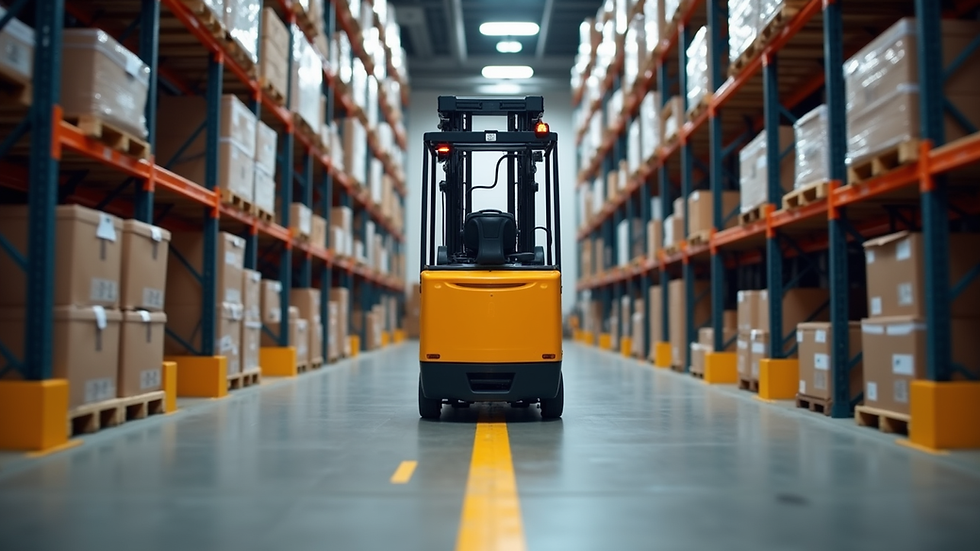
Electric Forklifts: Ideal for indoor use, electric forklifts are quieter and produce no emissions. They are perfect for warehouses and enclosed spaces.
Internal Combustion Forklifts: Powered by diesel, gasoline, or propane, these forklifts are suitable for outdoor use and rough terrain.
Rough Terrain Forklifts: Designed for construction sites and uneven surfaces, these forklifts have large tires and high ground clearance.
Telehandlers: These versatile machines combine the features of a forklift and a crane, useful for lifting heavy loads to high places.
When selecting a forklift, consider the load capacity, lift height, and the environment where it will be used. For example, if you are working in a warehouse with narrow aisles, a compact electric forklift might be the best choice.
Key Factors to Consider in Forklift Equipment Rental
Choosing the right forklift equipment rental involves more than just picking a machine. Here are some critical factors to keep in mind:
Load Capacity
Determine the maximum weight you need to lift regularly. Renting a forklift with insufficient capacity can lead to safety hazards and inefficiency.
Lift Height
Consider the height you need to reach. Some forklifts can lift loads to over 20 feet, while others are designed for lower heights.
Fuel Type
Decide between electric or internal combustion based on your work environment. Electric forklifts are better for indoor use, while combustion engines are suited for outdoor tasks.
Terrain
Assess the surface where the forklift will operate. Rough terrain forklifts are necessary for uneven or outdoor surfaces.
Rental Duration
Think about how long you will need the forklift. Some rental companies offer flexible terms, including daily, weekly, or monthly rates.
Maintenance and Support
Check if the rental company provides maintenance and support during the rental period. This can save you time and money if issues arise.
Operator Training
Ensure your operators are trained and certified to use the rented forklift safely.
By carefully evaluating these factors, you can avoid common pitfalls and ensure your project runs smoothly.
How much to rent a forklift per month?
Understanding the cost of renting a forklift is crucial for budgeting your project. Rental prices vary depending on the type of forklift, its capacity, and the rental duration.
Electric forklifts typically range from $500 to $1,200 per month.
Internal combustion forklifts can cost between $700 and $1,500 per month.
Rough terrain forklifts are usually more expensive, ranging from $1,000 to $2,000 per month.
Telehandlers may cost upwards of $1,500 per month depending on specifications.
Additional costs may include delivery, pickup, and maintenance fees. Some rental companies offer discounts for long-term rentals or multiple equipment rentals.
To get the best value, compare quotes from several rental providers and ask about any hidden fees. Also, consider the total cost of ownership, including fuel and operator training.

Tips for a Smooth Forklift Rental Experience
To make the most of your forklift rental, follow these practical tips:
Plan Ahead: Book your forklift rental in advance to ensure availability, especially during peak seasons.
Inspect the Equipment: Before accepting the forklift, inspect it for any damage or mechanical issues.
Understand the Rental Agreement: Read the contract carefully, noting terms related to liability, insurance, and maintenance.
Train Your Operators: Provide proper training to ensure safe and efficient operation.
Communicate with the Rental Company: Maintain open communication for support and troubleshooting.
Schedule Regular Maintenance: Even rented forklifts need routine checks to prevent breakdowns.
By following these steps, you can avoid delays and keep your project on track.
Making the Right Choice for Your Project
Selecting the right forklift equipment rental is a strategic decision that impacts productivity and safety. Start by assessing your specific needs, including load requirements, environment, and budget. Use the information provided here to narrow down your options and choose a forklift that fits your project perfectly.
Remember, whether you are expanding your warehouse or building new, the right equipment rental partner can make all the difference. Take advantage of expert advice and support to ensure your forklift rental experience is seamless and successful.
For more detailed information and to explore rental options, consider visiting a trusted forklift rental provider.
By carefully considering your needs and following these guidelines, you can confidently find the right forklift equipment rental to support your operations efficiently and safely.


Comments