
Forklift Applications Guide: Understanding Forklift Uses and Benefits
- Michael Gray

- Feb 5
- 4 min read
When expanding your warehouse or building a new facility, having the right equipment is crucial. One of the most essential tools in material handling and logistics is the forklift. This versatile machine can transform your operations, making them more efficient, safer, and cost-effective. Whether you are moving heavy pallets or stacking goods in tight spaces, understanding the uses and benefits of forklifts will help you make informed decisions every step of the way.
Forklift Applications Guide: Key Uses in Various Industries
Forklifts are widely used across many industries due to their ability to lift, carry, and transport heavy loads with ease. Here are some of the primary applications where forklifts shine:
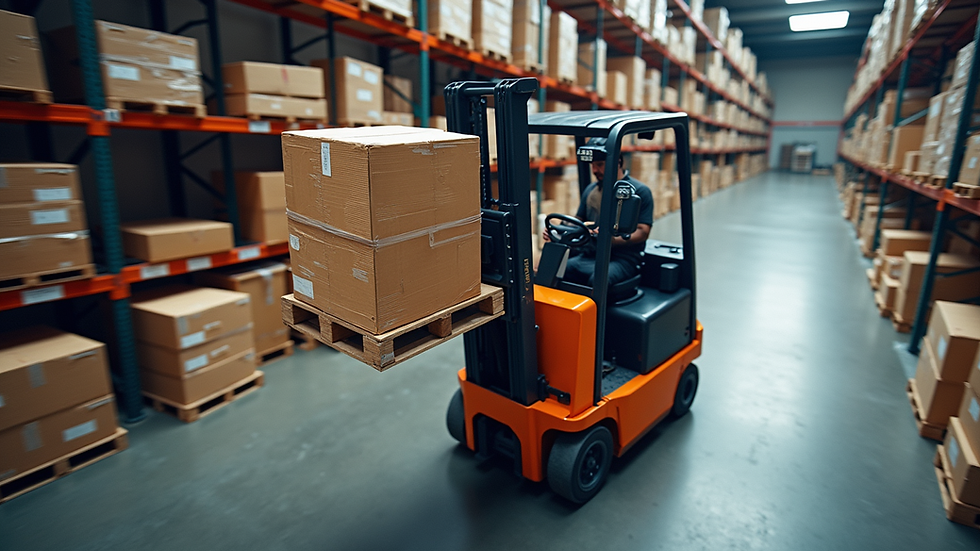
Warehousing and Distribution: Forklifts are indispensable in warehouses for loading and unloading trucks, stacking pallets, and organizing inventory. They speed up the process and reduce manual labor.
Construction Sites: Moving building materials such as bricks, steel beams, and concrete blocks is easier and safer with forklifts. They help maintain workflow and reduce delays.
Manufacturing Plants: Forklifts transport raw materials to production lines and move finished products to storage or shipping areas.
Retail and Wholesale: Large retail stores and wholesalers use forklifts to manage stock in backrooms and warehouses.
Recycling Operations: Forklifts handle heavy recyclable materials, improving sorting and processing efficiency.
Each of these applications benefits from the forklift’s ability to handle heavy loads, navigate tight spaces, and improve overall productivity.

Advantages of Using Forklifts in Your Operations
Incorporating forklifts into your operations offers several tangible benefits that can enhance your business performance:
Increased Efficiency: Forklifts can move large quantities of goods quickly, reducing the time needed for loading and unloading.
Improved Safety: Using forklifts minimizes the risk of injuries related to manual lifting and carrying heavy items.
Cost Savings: By speeding up processes and reducing labor costs, forklifts contribute to overall cost efficiency.
Versatility: Different types of forklifts (electric, diesel, narrow aisle) can be chosen based on your specific needs.
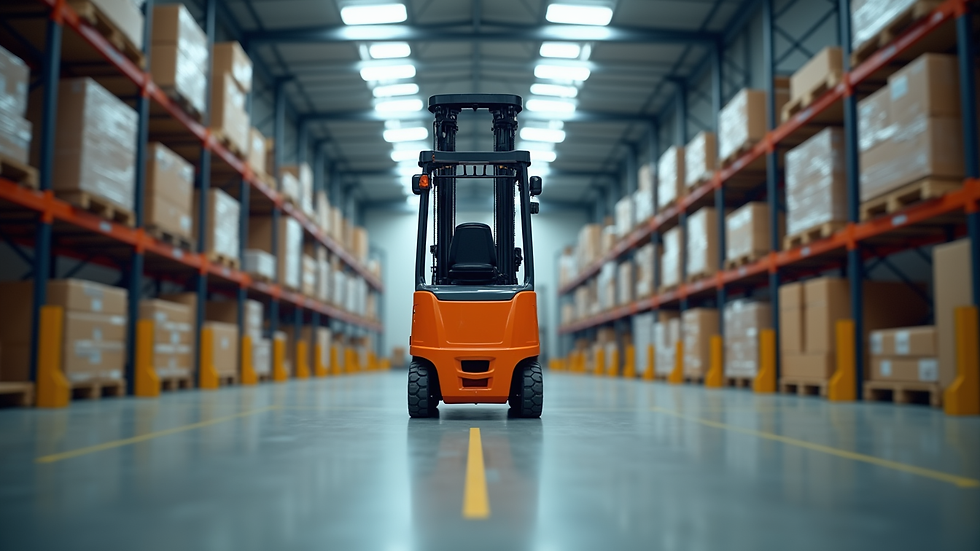
Space Optimization: Forklifts can operate in narrow aisles and stack goods vertically, maximizing storage space.
For example, a warehouse that integrates forklifts can handle twice the volume of goods compared to manual handling, leading to faster order fulfillment and happier customers.
What is the highest paid forklift driver?
The highest paid forklift drivers typically work in industries where specialized skills and certifications are required. These include:
Oil and Gas Industry: Operators handling hazardous materials or working in remote locations often earn premium wages.
Construction Sites with Heavy Equipment: Drivers who operate forklifts alongside cranes and other heavy machinery may receive higher pay.
Ports and Shipping Yards: Forklift operators managing container loading and unloading can command better salaries due to the complexity and pace of work.
Manufacturing Plants with Automated Systems: Skilled operators who can work with automated or semi-automated forklifts are in demand.
Salaries vary by region and experience, but advanced certifications and safety training can significantly increase earning potential. Investing in training not only improves safety but also opens doors to higher-paying opportunities.
Choosing the Right Forklift for Your Needs
Selecting the right forklift depends on several factors. Here are some practical tips to guide your choice:
Assess Your Load Requirements: Determine the maximum weight and size of the items you need to move.
Consider the Operating Environment: Indoor warehouses may require electric forklifts for zero emissions, while outdoor sites might need diesel or gas-powered models.
Evaluate Space Constraints: Narrow aisle forklifts or reach trucks are ideal for tight spaces.
Think About Lift Height: Choose forklifts that can reach the necessary stacking height safely.
Factor in Maintenance and Operating Costs: Electric forklifts have lower maintenance but may require battery charging infrastructure.
By carefully analyzing these factors, you can select a forklift that maximizes productivity and fits your budget.

Maximizing the Benefits of Forklift Use in Your Facility
To get the most out of your forklift investment, consider these actionable recommendations:
Regular Training and Certification: Ensure all operators are properly trained and certified to reduce accidents and improve efficiency.
Routine Maintenance: Schedule regular inspections and maintenance to keep forklifts in optimal condition and avoid costly downtime.
Implement Safety Protocols: Use clear signage, designated forklift lanes, and speed limits to enhance workplace safety.
Leverage Technology: Modern forklifts come with features like GPS tracking, load sensors, and automated controls that can boost productivity.
Plan Layouts for Efficiency: Design warehouse layouts that facilitate smooth forklift movement and minimize travel distances.
By following these steps, you can create a safer, more efficient work environment that supports your business growth.
Moving Forward with Confidence
Whether you are expanding your warehouse or building a new facility, understanding the uses and benefits of forklifts is essential. This knowledge empowers you to choose the right equipment, optimize your operations, and ensure safety. Remember, the right forklift can be a game-changer in your material handling strategy, helping you save time, reduce costs, and improve overall productivity.
If you want to explore more about how a forklift can fit into your operations, we are here to help you every step of the way. Together, we can build a solution tailored to your unique needs and goals.

Comments