
Top Considerations When Renting a Forklift
- Michael Gray

- Oct 7, 2025
- 3 min read
Whether you are expanding your warehouse or building new, we are here to help you every step of the way. Renting a forklift can be a smart and cost-effective solution for many businesses. However, there are several important factors to consider before making your decision. This guide will walk you through the key points to keep in mind when renting a forklift, ensuring you get the right equipment for your needs.
Understanding Your Forklift Rental Needs
Before you start looking for a forklift to rent, it’s essential to understand your specific requirements. Forklifts come in various types and sizes, each designed for different tasks. Ask yourself:
What type of materials will you be moving?
How heavy are the loads?
What is the height you need to lift to?
Will the forklift be used indoors, outdoors, or both?
How long do you need the forklift for?
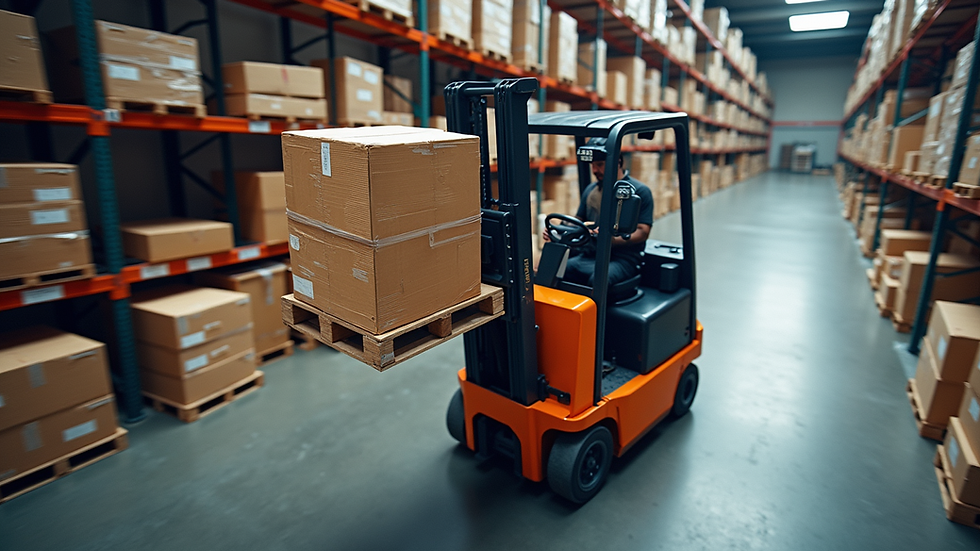
For example, if you are handling heavy pallets in a warehouse, a standard electric forklift might be ideal. On the other hand, if you need to work on rough terrain outdoors, a diesel or gas-powered forklift with pneumatic tires would be better suited.
Knowing these details will help you choose the right forklift model and avoid unnecessary costs or operational issues.

Choosing the Right Forklift Rental
When it comes to forklift rental, selecting the right provider is just as important as choosing the right machine. Look for companies that offer a wide range of forklifts and have a reputation for reliability and excellent customer service.
Some key points to consider:
Availability: Ensure the rental company has the forklift you need available when you need it.
Maintenance: Check if the rental includes regular maintenance and emergency support.
Training: Some companies offer operator training, which can be valuable if your staff is not experienced.
Rental Terms: Understand the rental agreement, including duration, delivery, and pickup policies.
Using professional forklift rental services can save you time and money. They can also provide expert advice tailored to your project.

How Much Does a Forklift Cost Per Hour?
Cost is a major factor when renting a forklift. Rental prices can vary widely depending on the type of forklift, rental duration, and location. Here’s a general breakdown:
Electric forklifts: Typically range from $30 to $75 per hour.
Diesel or gas forklifts: Usually cost between $40 and $100 per hour.
Specialized forklifts: Such as rough terrain or high-capacity models, can be more expensive.
Many rental companies offer daily, weekly, or monthly rates, which can be more economical for longer projects. For example, a daily rental might cost $200-$400, while a monthly rental could be $1,000-$2,500 depending on the forklift type.
It’s important to factor in additional costs such as fuel, operator training, and insurance. Always ask for a detailed quote to avoid surprises.

Safety and Compliance Considerations
Safety should always be a top priority when renting and operating a forklift. Make sure the rental forklift meets all local safety standards and regulations. Here are some tips:
Verify that the forklift has been inspected and maintained regularly.
Ensure operators are properly trained and certified.
Use appropriate safety gear such as helmets, gloves, and high-visibility clothing.
Follow all workplace safety protocols and signage.
Check the forklift’s load capacity and never exceed it.
Proper safety measures not only protect your workers but also reduce the risk of costly accidents and downtime.
Additional Tips for a Smooth Forklift Rental Experience
To get the most out of your forklift rental, consider these practical recommendations:
Plan Ahead: Book your forklift rental well in advance to secure availability.
Inspect the Equipment: Before accepting the forklift, inspect it for any damage or issues.
Communicate Clearly: Provide the rental company with detailed information about your site and usage needs.
Schedule Maintenance: If your rental is long-term, arrange for periodic maintenance checks.
Return on Time: Avoid late fees by returning the forklift as agreed in the contract.
By following these tips, you can ensure your forklift rental goes smoothly and supports your project efficiently.
Renting a forklift is a strategic choice that can enhance your operational efficiency without the commitment of purchasing equipment. By understanding your needs, choosing the right rental provider, budgeting wisely, prioritizing safety, and planning carefully, you can make the most of your forklift rental experience. Whether you are expanding your warehouse or building new, the right forklift rental will help you move forward with confidence.

Comments